


GALLERIA
IMPOSSIBILE
LA FAVORITA
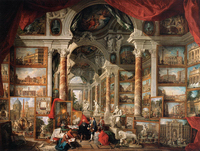
An Impossible Gallery: The Favourite. A kind visit to:
Ferdinando Galli da Bibbiena (1657-1743),
Donato Giuseppe Frisoni (1683-1735),
Giuseppe Galli da Bibiena (1696-1756),
Carlo Galli Bibiena (1728-1778),
Étienne-Louis Boullée (1728-1799),
David Roberts (1796–1864),
and Louis Haghe (1806–1885).
Finished or defined like limited,
and unfinished as Infinite.
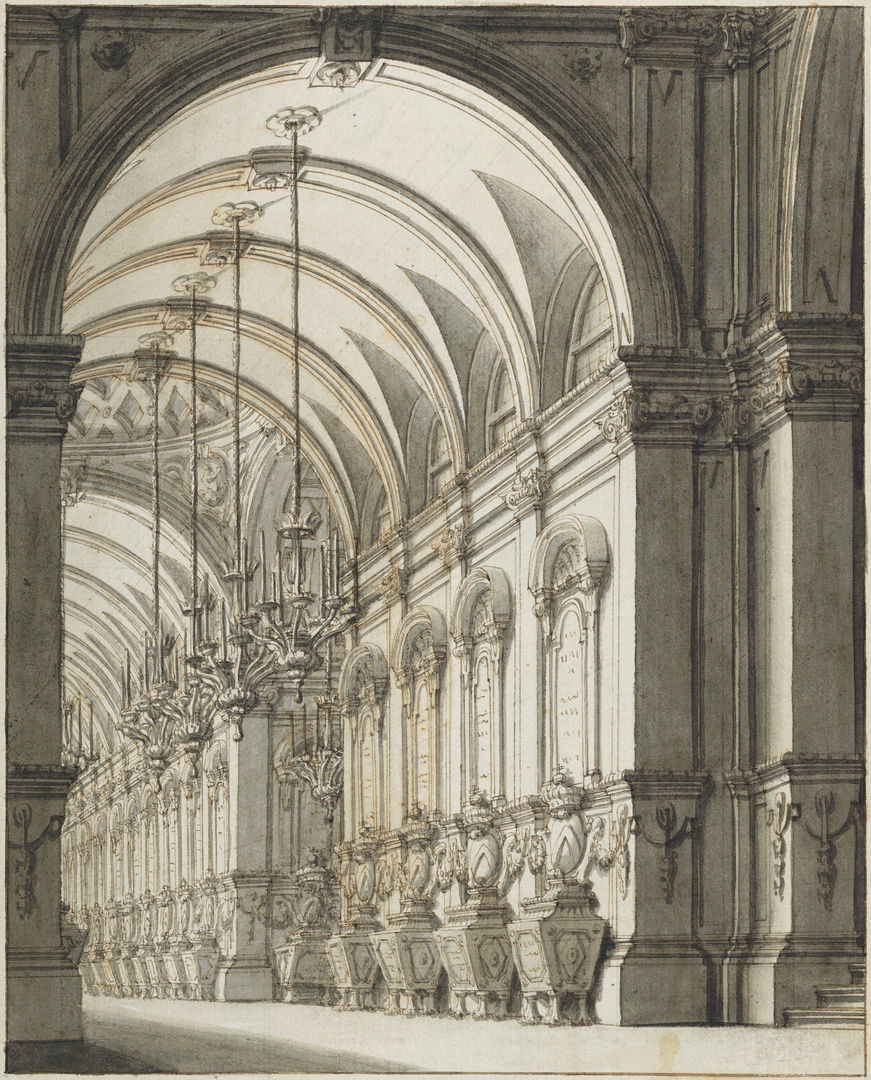
Ferdinando Galli da Bibbiena (1657-1743):
"Vaulted Hall with Candelabra".
Source: The Museum of Modern Art, New York City, NY, U.S.A.

Giuseppe Galli Bibiena (1696-1756):
"Elevation for a Catafalque Surmounted by Squat Obelisk,
Decorated with Statues of Putti and Female Figures".
Source: The Museum of Modern Art, NYC, New York, U.S.A.
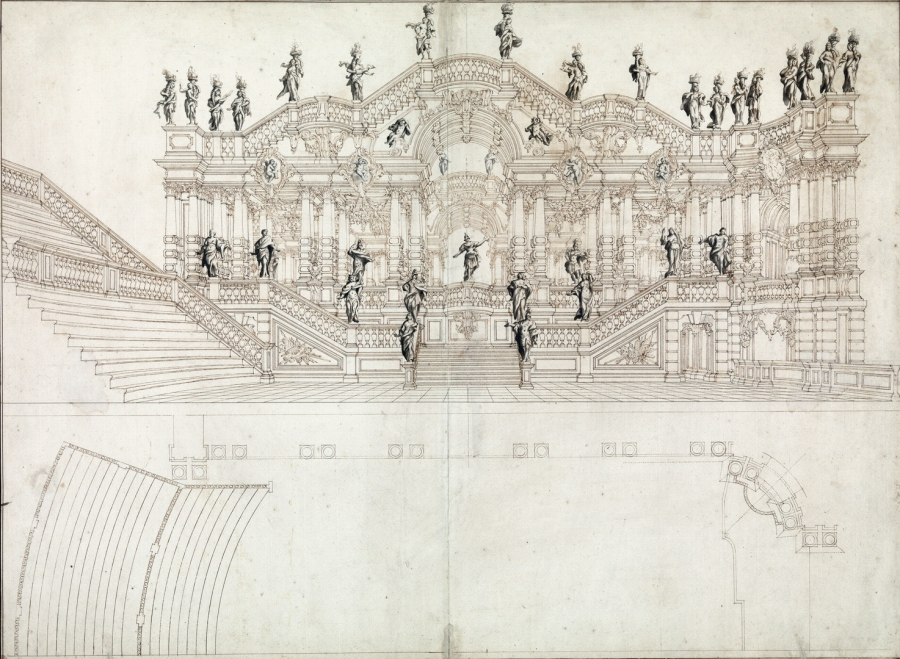
Giuseppe Galli Bibiena (1696-1756): "Design for a Stage Set:
Longitudinal Section and Plan of amphitheater and Stage".
Source: The Museum of Modern Art, NYC, NY, U.S.A.
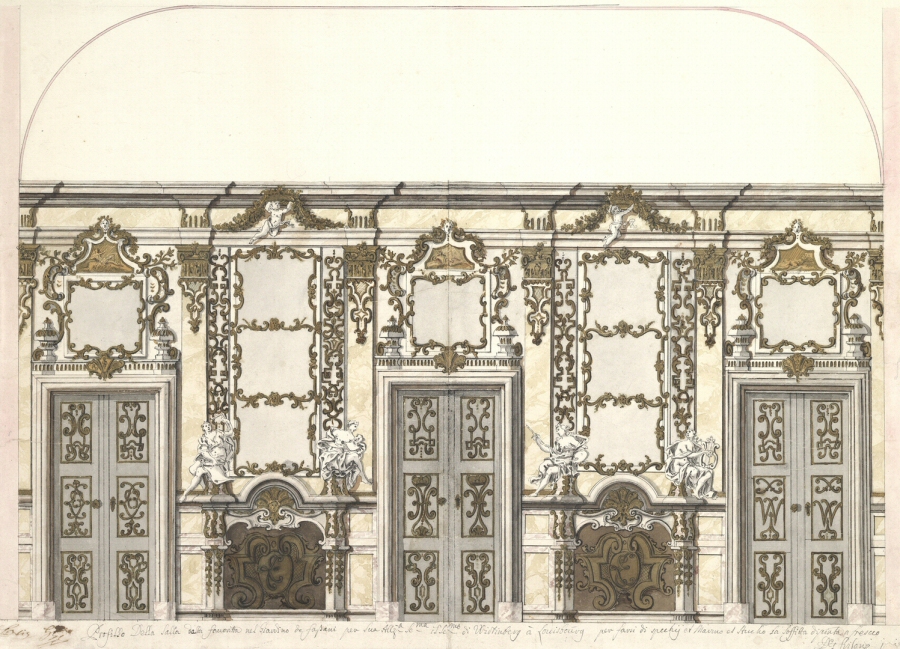
Donato Giuseppe Frisoni (1683-1735): "Design for the Salon of
the Pleasure Pavilion at Favorita in Ludwigsburg", 1718.
Source: The Museum of Modern Art, NYC,New York, U.S.A.

Donato Giuseppe Frisoni (1683-1735): external view of The Favorite Castle in Ludwigsburg, Germany, 1717-23. Source: Wikipedia.
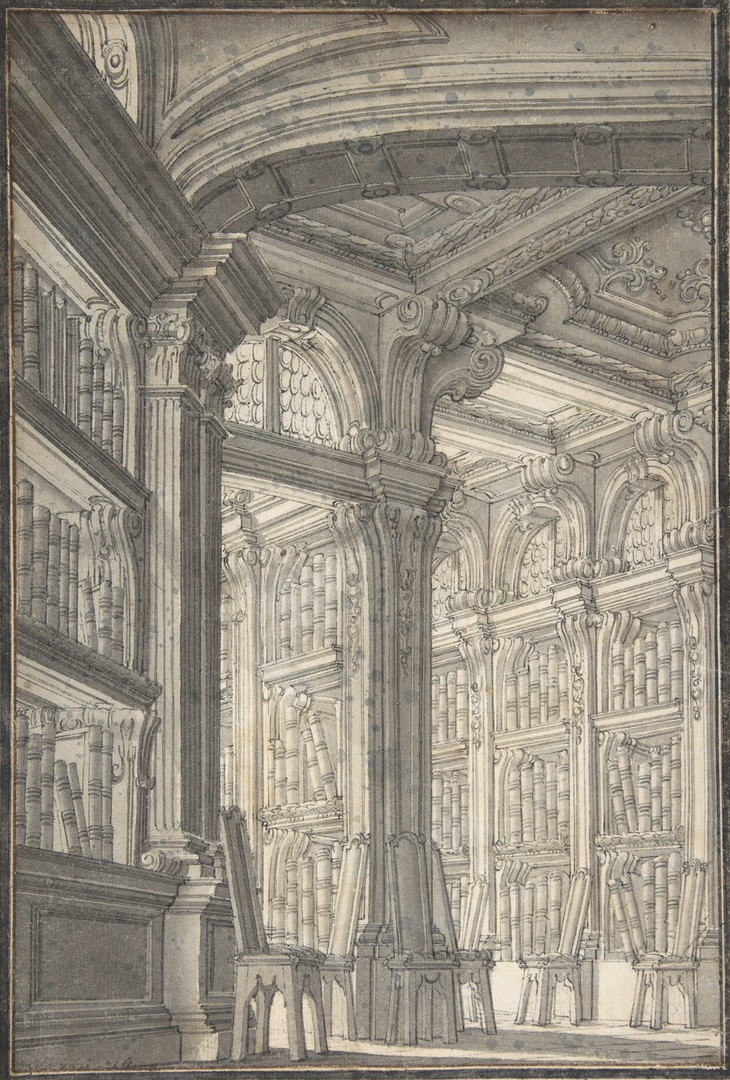
Carlo Galli Bibiena (1728-1778): "Foreshortening of a Library".
Source: The Museum of Modern Art, NYC, New York, U.S.A.
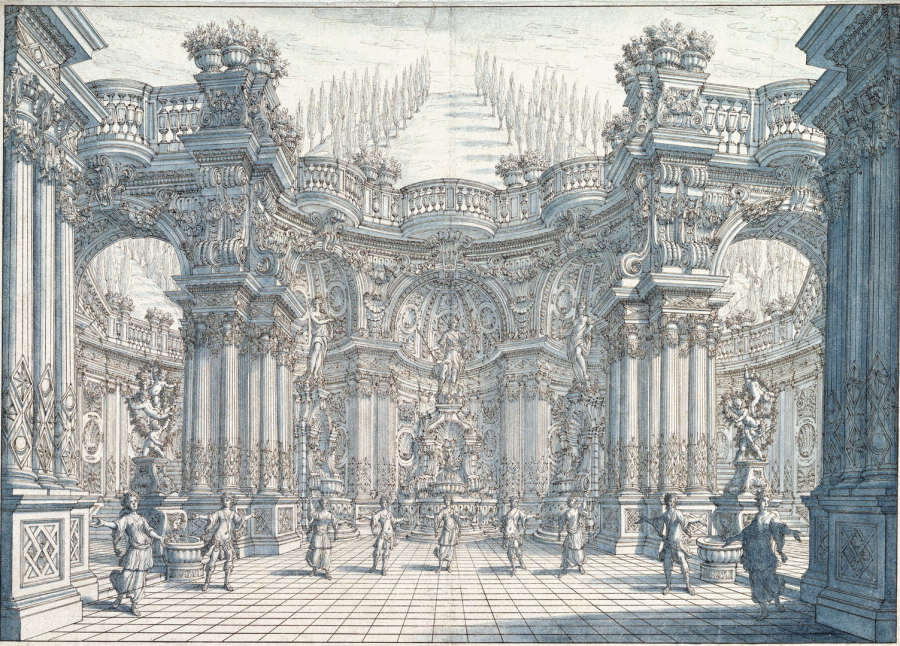
Ferdinando Galli da Bibbiena (1657-1743): "Stage Setting with Ballet".
Source: The Museum of Modern Art, NYC, NY, U.S.A.

Ferdinando Galli da Bibbiena (1657-1743): "Design for a Stage Set".
Source: The Museum of Modern Art, NYC, NY, U.S.A.

Giuseppe Galli Bibiena (1696-1756): "Elevation of a Catafalque".
Source: The Museum of Modern Art, NYC, New York, U.S.A.
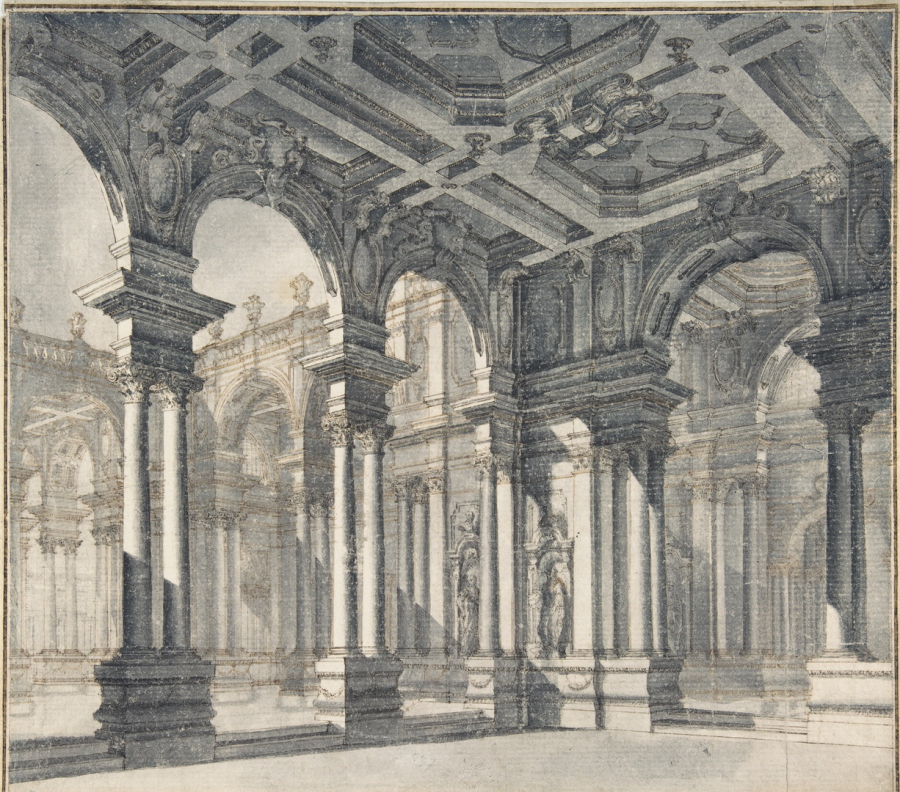
Giuseppe Galli Bibiena (1696-1756):
"Design for a Stage Set with a Monumental Arcaded Courtyard".
Source: The Museum of Modern Art, NYC, New York, U.S.A.

Étienne-Louis Boullée (1728-1799): "Cénotaphe dans le genre égyptien: élévation perspective: projet n° 17", detail.
Source: gallica.bnf.fr / Bibliothèque nationale de France.
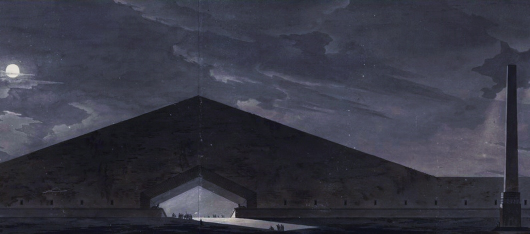
In the visionary film "Blade Runner", directed by Ridley Scott, 1982, it is evident the reference to the Boullée's visionary pyramids, however with a different interpretation of millennial idea of pyramid.

Étienne-Louis Boullée (1728-1799): "Cénotaphe dans le genre égyptien: élévation perspective: projet n° 17".
Source: gallica.bnf.fr / Bibliothèque nationale de France.
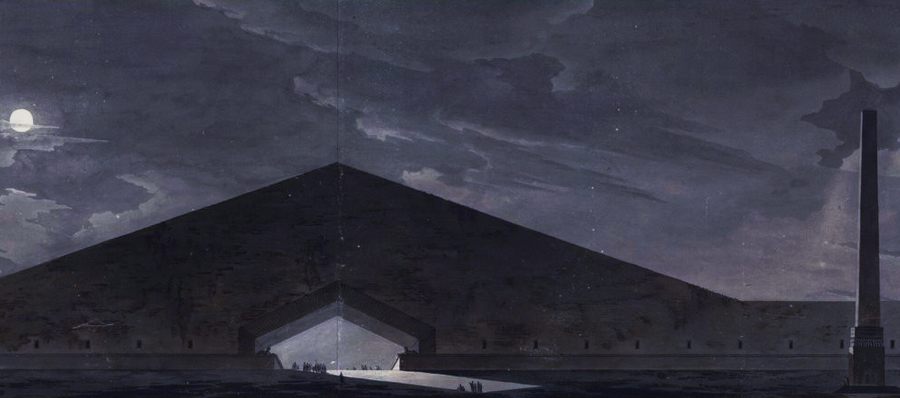
Étienne-Louis Boullée (1728-1799):
"Entrée d'un cimetière: élévation", 1781-1793, detail.
Source: gallica.bnf.fr / Bibliothèque nationale de France.
In the film "Blade Runner 2049", directed by Denis Villeneuve, 2017, it's evident the reference to the Boullée's visionary pyramids, however with a new revolutionary interpretation of millennial idea of pyramid.
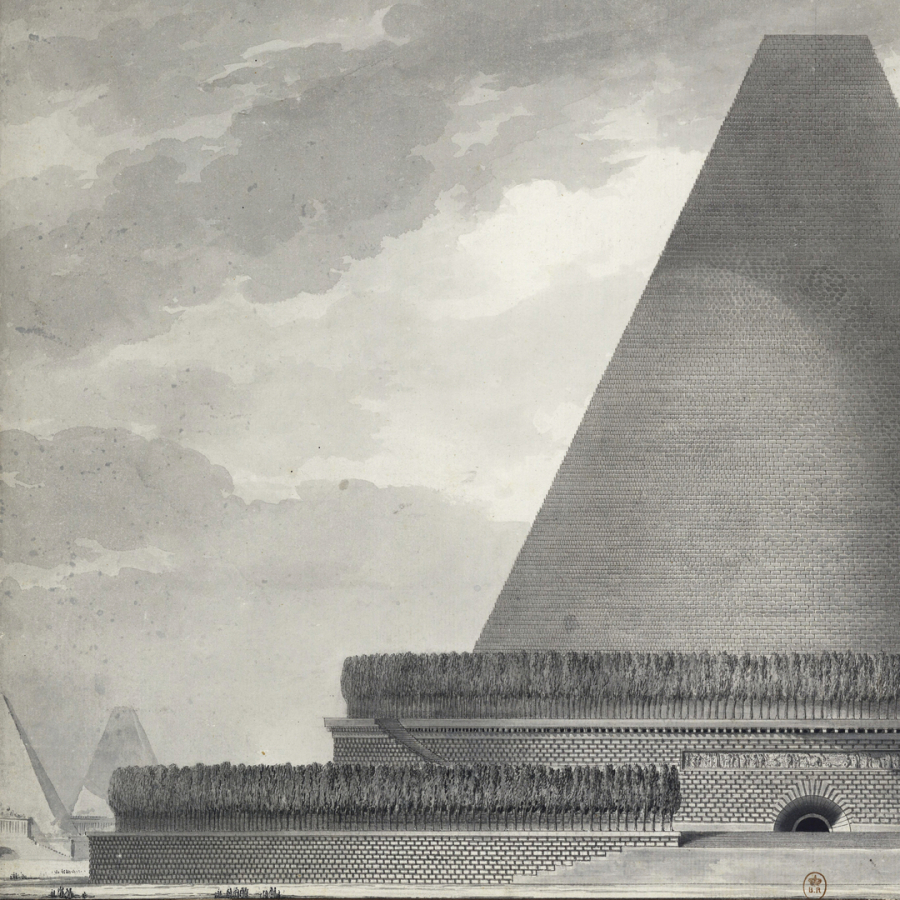
Étienne-Louis Boullée (1728-1799):
"Cénotaphe: élévation géométralee: projet n° 16", detail.
Source: gallica.bnf.fr / Bibliothèque nationale de France.

Étienne-Louis Boullée: "Coupe du Cénotaphe: projet n° 15".
Source: gallica.bnf.fr / Bibliothèque nationale de France.
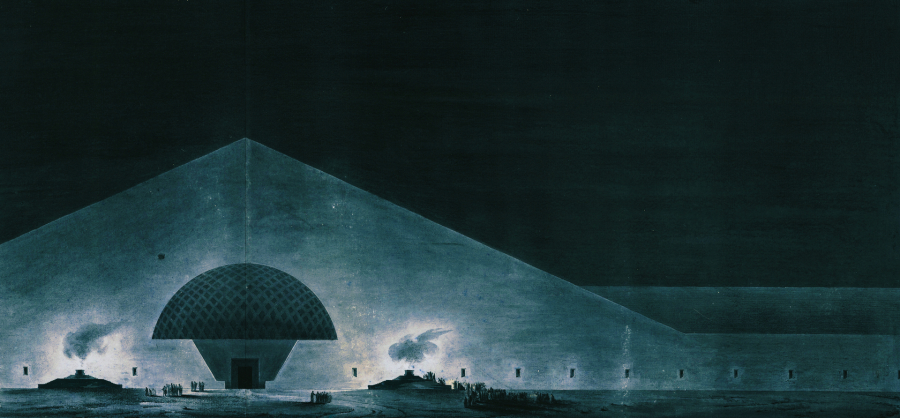
Étienne-Louis Boullée (1728-1799):
"Chapelle des morts: élévation géométrale: projet n° 22", detail.
Source: gallica.bnf.fr / Bibliothèque nationale de France.
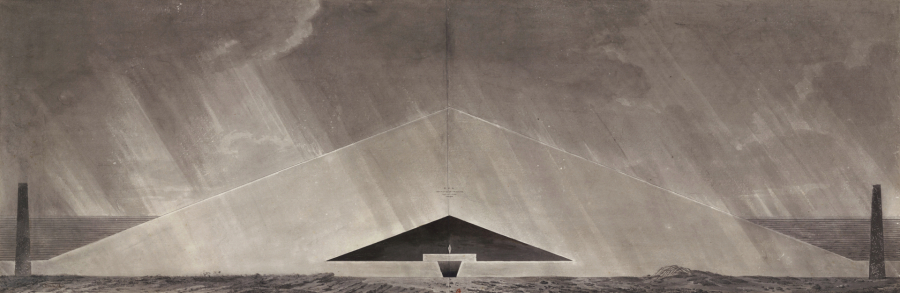
Étienne-Louis Boullée (1728-1799):
"Monument funéraire caractérisant le genre d'une architecture
ensevelie: élévation géométrale: projet n° 24".
Source: gallica.bnf.fr / Bibliothèque nationale de France.
In the film "Blade Runner 2049", directed by Denis Villeneuve, 2017,
it is evident the reference to the Boullée's visionary pyramids.
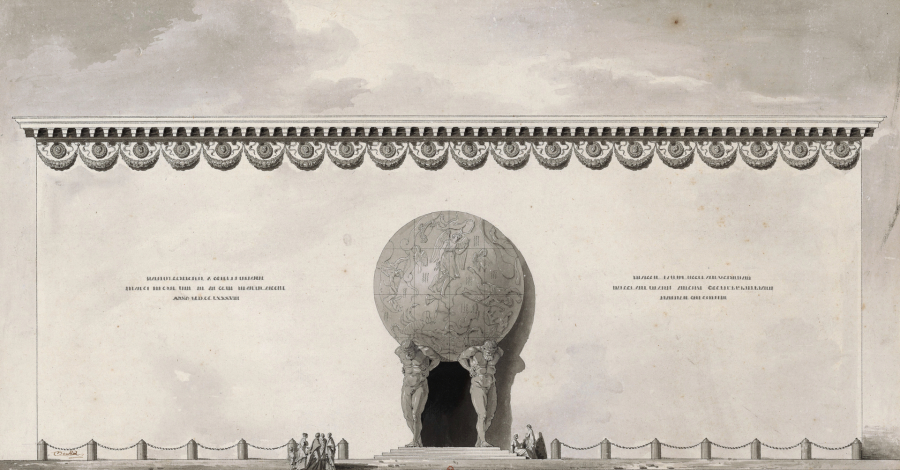
Étienne-Louis Boullée (1728-1799): "Entrée de la Bibliothèque Nationale: élévation de la façade, rue Colbert: projet n° 9".
Source: gallica.bnf.fr / Bibliothèque nationale de France.
The successive reference to the Merchants' National Bank, Grinnell, Iowa, USA, 1914, of Louis Henry Sullivan (1856-1924), is evident.

Étienne-Louis Boullée (1728-1799):
"Deuxième projet pour la Bibliothèque du Roi", 1785, detail.
Source: gallica.bnf.fr / Bibliothèque nationale de France.
The reference to the Pantheon in Rome, 113-125 AD, is immediate:
oculus (clerestory) and coffers.

Étienne-Louis Boullée (1728-1799):
"Vue intérieure de la nouvelle salle projetée pour l'agrandissement
de la Bibliothèque du Roi: perspective intérieure: projet n° 9", 1785.
Source: gallica.bnf.fr / Bibliothèque nationale de France.
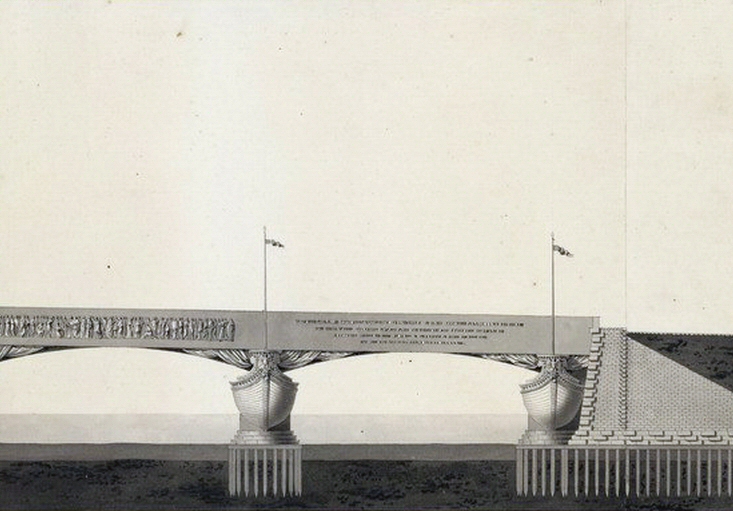
Étienne-Louis Boullée (1728-1799):
"Projet du Pont Louis XVI" (actuel pont de la Concorde), 1787, detail.
Source: gallica.bnf.fr / Bibliothèque nationale de France.
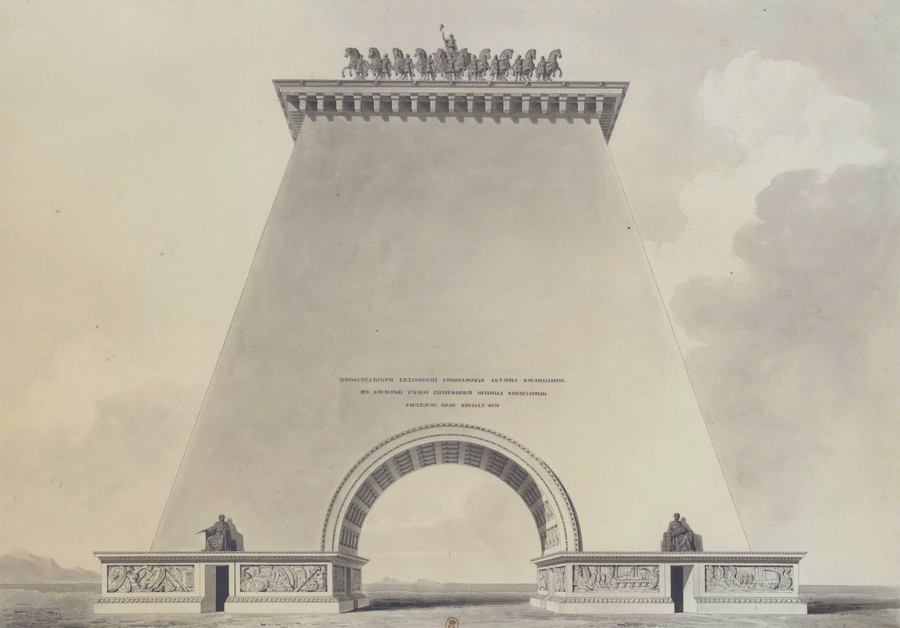
Étienne-Louis Boullée (1728-1799):
"Porte triomphale: élévation, perspective", 1781-1793.
Source: gallica.bnf.fr / Bibliothèque nationale de France.
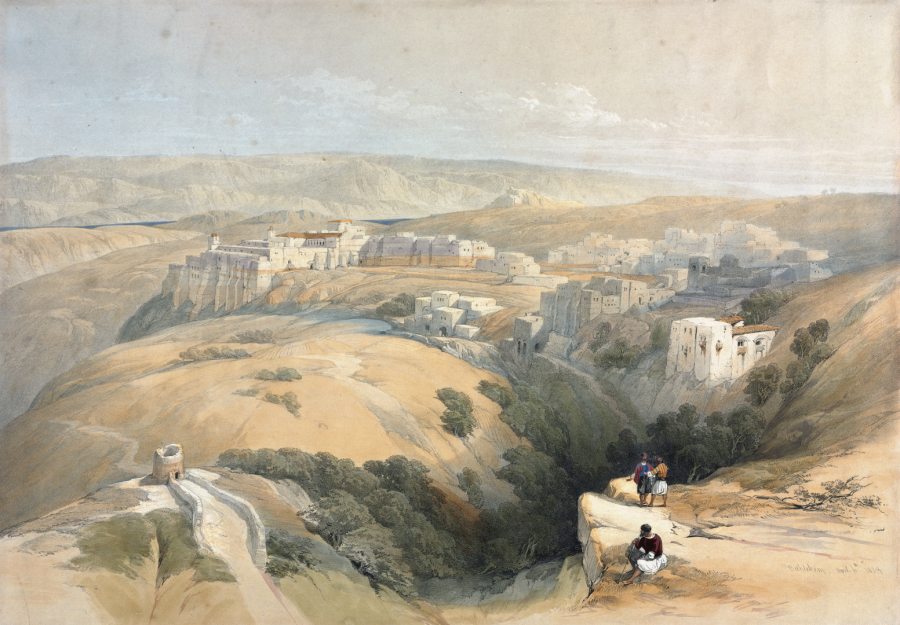
David Roberts (1796–1864):
"Bethlehem", 1839.
Source: Cleveland Museum of Art, Cleveland, Ohio, U.S.A.
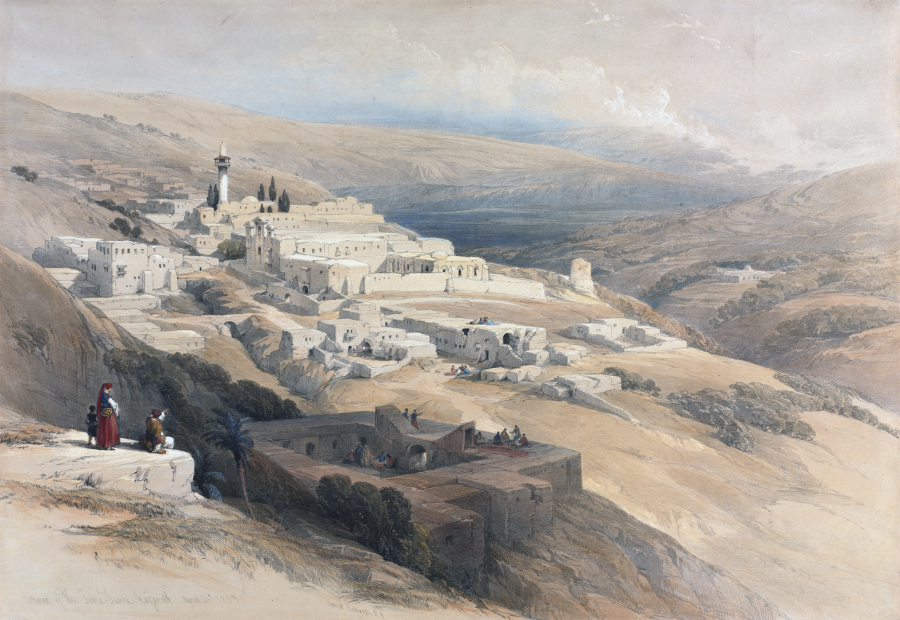
David Roberts (1796–1864):
"Convent of the Terra-Santa, Nazareth", 1839.
Source: Cleveland Museum of Art, Cleveland, Ohio, U.S.A.
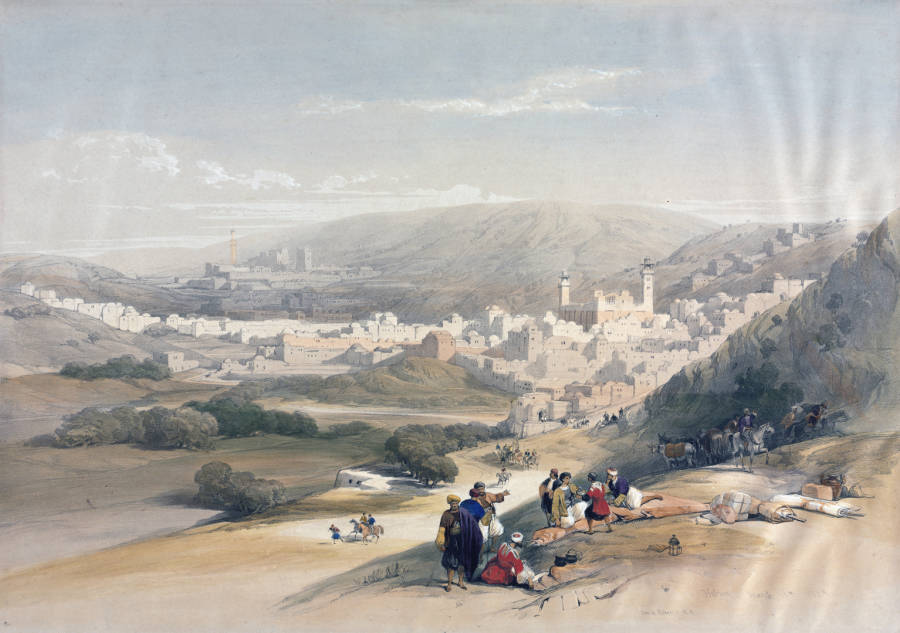
David Roberts (1796–1864): "Hebron", 1839.
Source: Cleveland Museum of Art, Cleveland, Ohio, U.S.A.
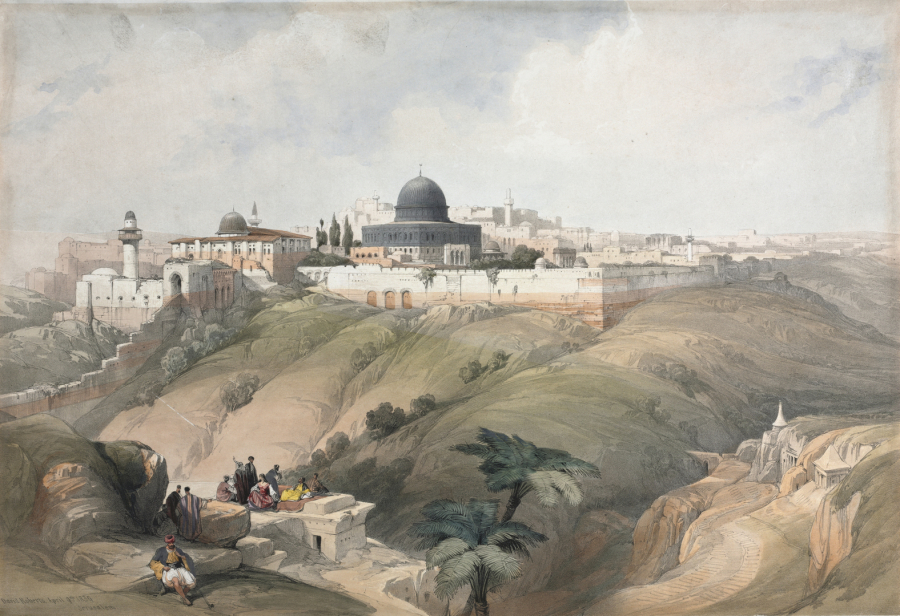
David Roberts (1796–1864): "Jerusalem", 1839.
Source: Cleveland Museum of Art, Cleveland, Ohio, U.S.A.
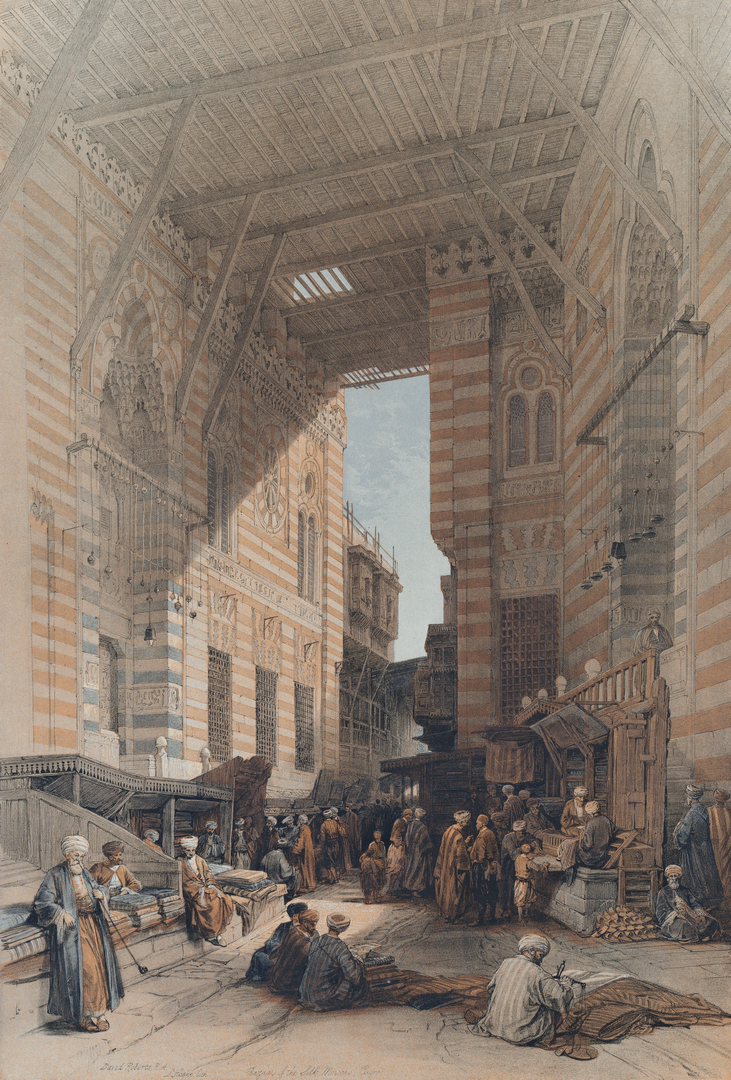
Louis Haghe (1806-1885): "Egypt and Nubia:
Bazaar of the Silk Mercers, Cairo", 1848.
Source: Cleveland Museum of Art, Cleveland, Ohio, U.S.A.
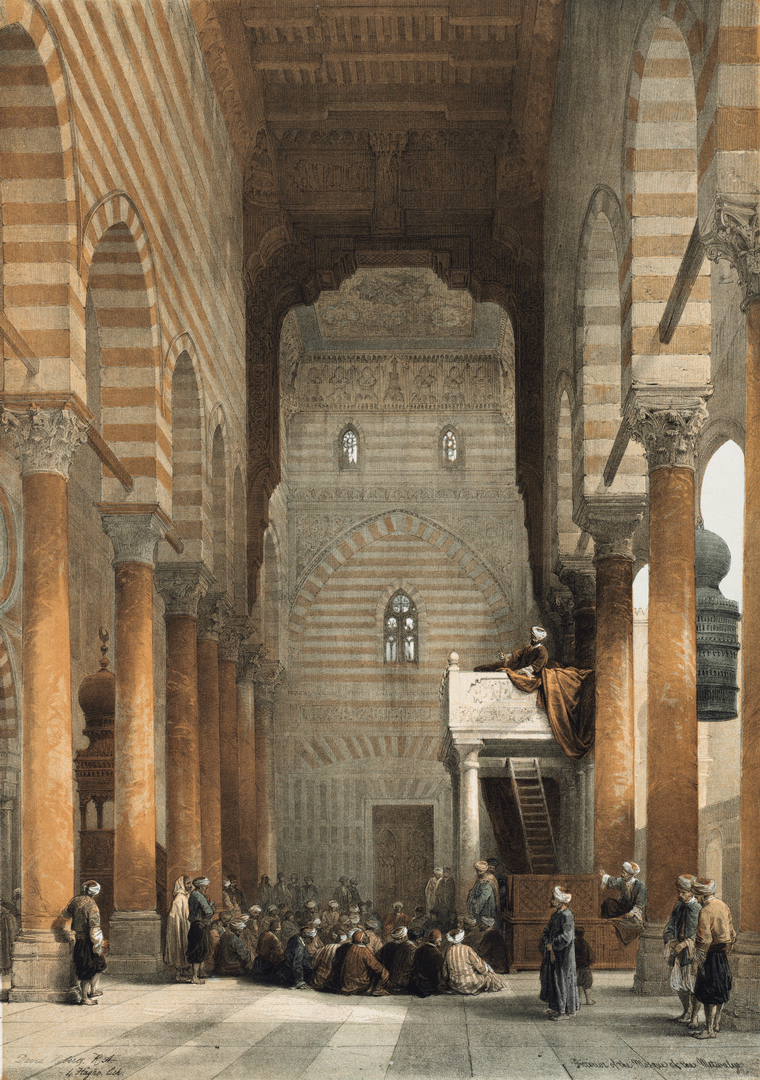
Louis Haghe (1806-1885): "Egypt and Nubia:
Interior of the Mosque of the Metwalys", 1849.
Source: Cleveland Museum of Art, Cleveland, Ohio, U.S.A.
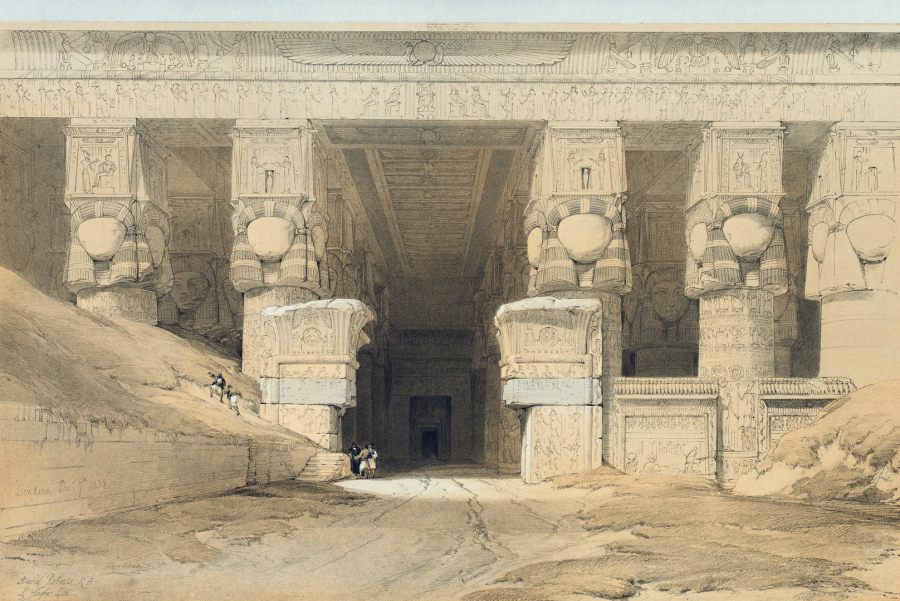
Louis Haghe (1806-1885): "Egypt and Nubia: Dendera", 1847.
Source: Cleveland Museum of Art, Cleveland, Ohio, U.S.A.

Louis Haghe (1806-1885): "Egypt and Nubia: Pyramids of Gizeh", 1838.
Source: Cleveland Museum of Art, Cleveland, Ohio, U.S.A.
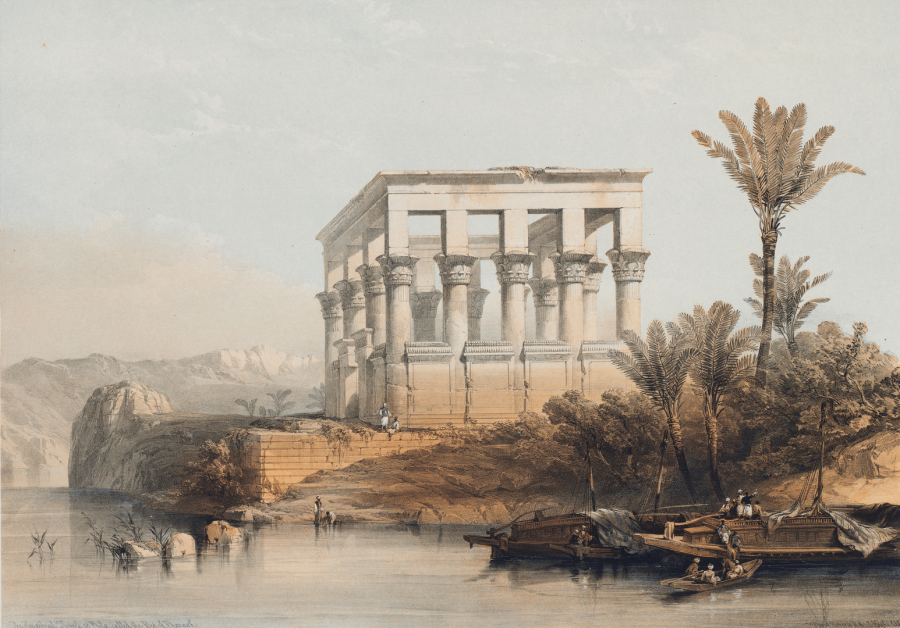
Louis Haghe (1806-1885): "Egypt and Nubia:
The Hypaethral Temple at Philae, called the Bed of Pharaoh", 1848.
Source: Cleveland Museum of Art, Cleveland, Ohio, U.S.A.
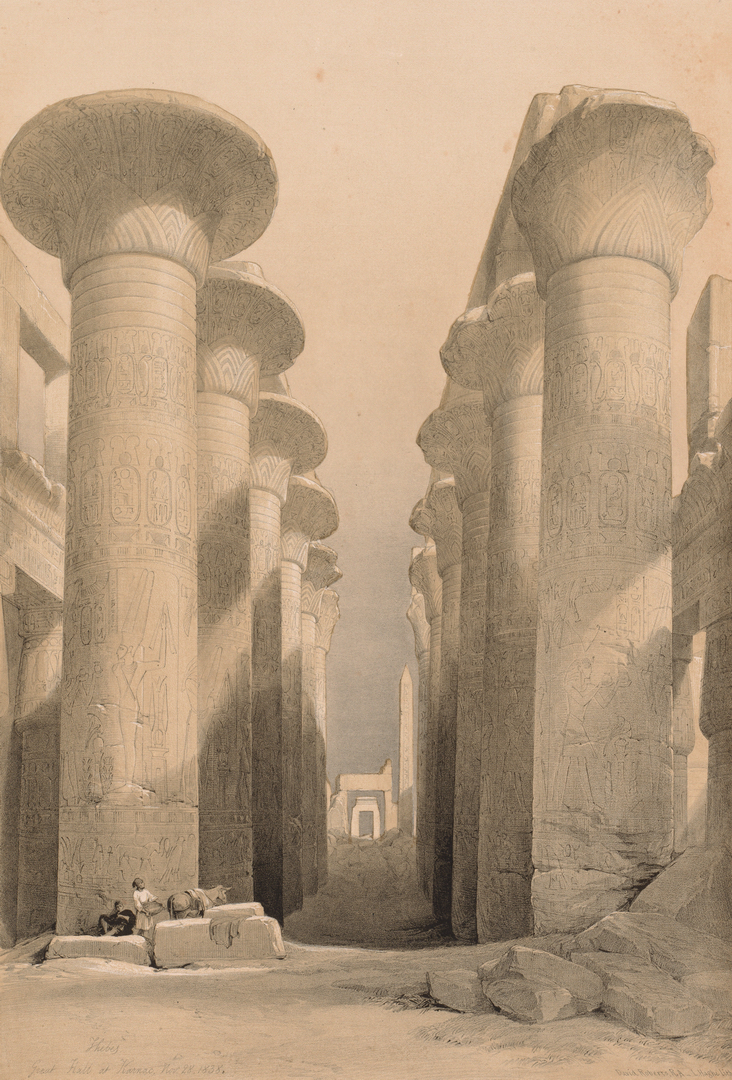
Louis Haghe (1806-1885):
"Egypt and Nubia: Great Hall at Karnak, Thebes", 1838.
Source: Cleveland Museum of Art, Cleveland, Ohio, U.S.A.
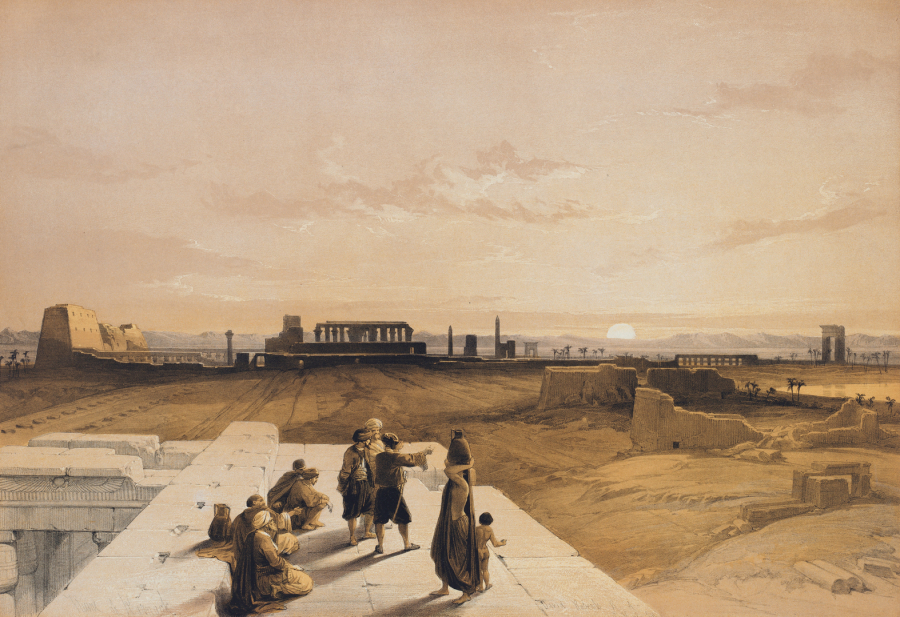
Louis Haghe (1806-1885): "Egypt and Nubia: Ruins of Karnac", 1847.
Source: Cleveland Museum of Art, Cleveland, Ohio, U.S.A.

Louis Haghe (1806-1885): "Egypt and Nubia: Kom-Ombo", 1846.
Source: Cleveland Museum of Art, Cleveland, Ohio, U.S.A.

Louis Haghe (1806-1885): "Egypt and Nubia: View from under
the Portico of the Temple of Edfou, Upper Egypt", 1838.
Source: Cleveland Museum of Art, Cleveland, Ohio, U.S.A.

Louis Haghe (1806-1885): "Egypt and Nubia: Edfou", 1846.
Source: Cleveland Museum of Art, Cleveland, Ohio, U.S.A.
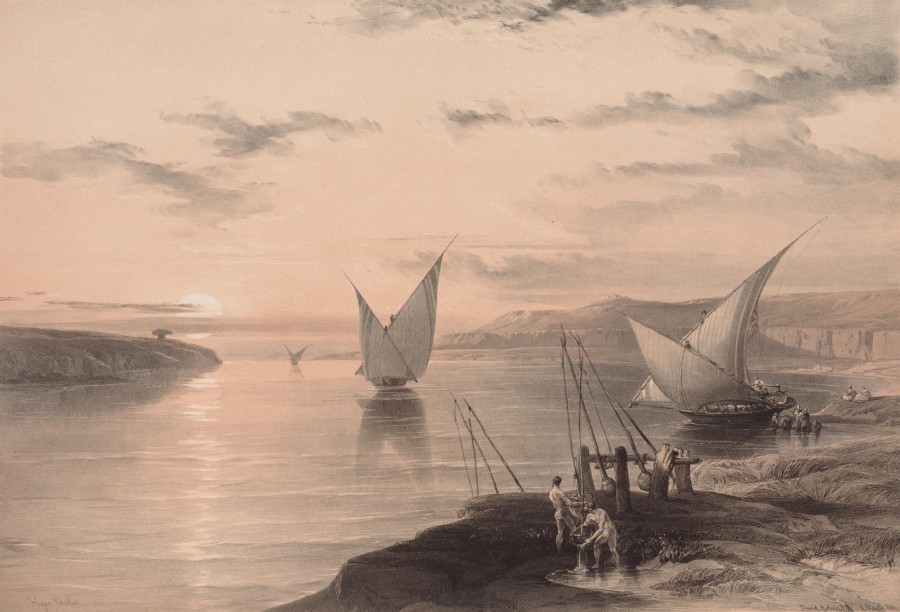
Louis Haghe (1806-1885): "Egypt and Nubia: Hadjar Silsilis", 1838.
Source: Cleveland Museum of Art, Cleveland, Ohio, U.S.A.



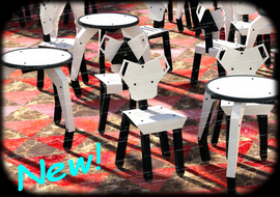
T H E Z E B R A S
CHAIRS & TABLES BY POLYCARBONATE
& ALUMINIUM TUBES





 Stampa