
AXES
"Human Axes":
1- Urban axes and axes on the geographical scale,
but always on the human scale.
2- The fake axes.
3- The Linear City and the Vectors.
Note also the different north-south orientations,
and the different dimensions between the axes.
2 - THE "FAKE" AXES:
The Brasilia Plan, Lúcio Costa, 1956-1960
Brasilia, "false" axis:
- an axis also invisible to human sight, on the ground.
- an axis out of human scale: it's not an axis, it's a highway!
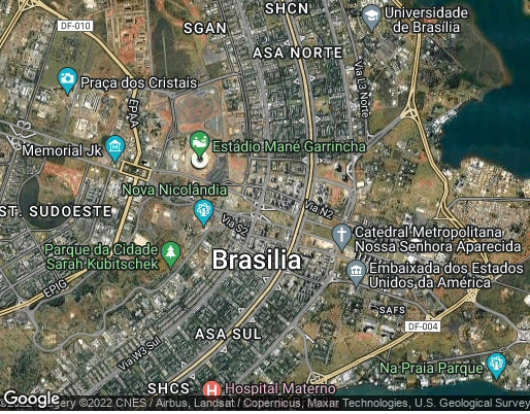
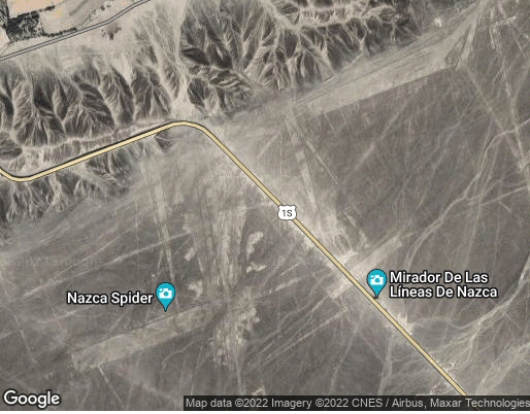
... In other words, the Brasilia axis is like the Nazca Lines or a runway for planes:
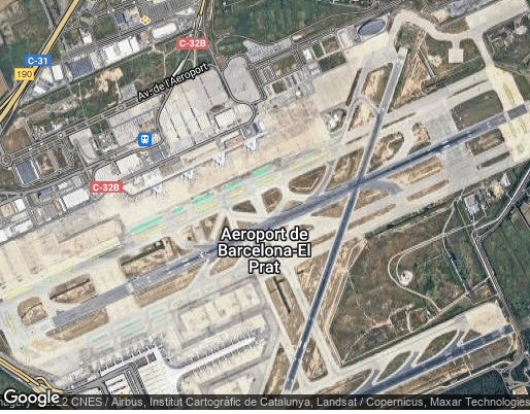
Another false axis: a simple road is not an axis, of course.
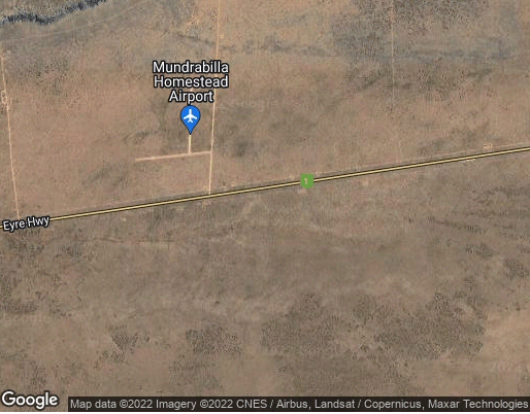
Another false axis: a whichever commercial strip is not automatically an axis: there is yet not something.

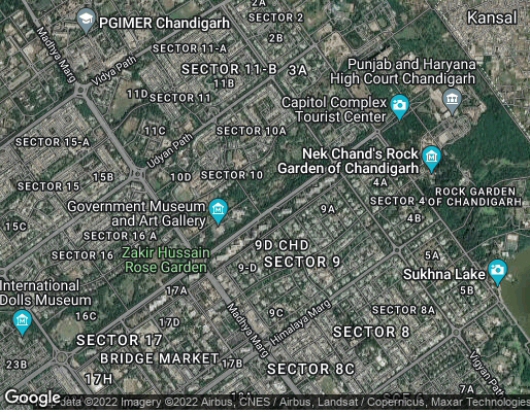
The Chandigarh Plan, Le Corbusier, 1952-1965
Another false axis: the Chandigarh axis is just a road, not a real axis.
In the end: an axis good for machines is not an Axis good for Men.
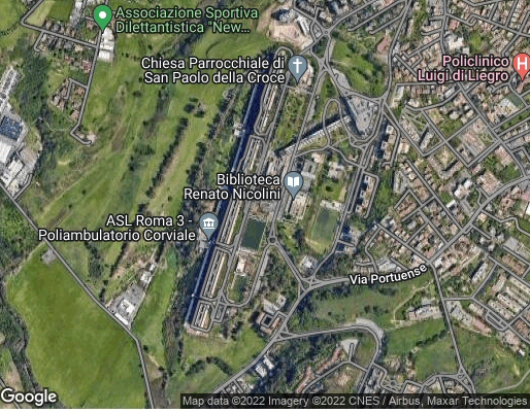
The "Nuovo Corviale" in Rome, by Mario Fiorentino architect, 1975-1984
Another false axis: a one-kilometer residential building immersed in an urban nothingness, ie related with the nothing.
... But the real axis' evolution is the Line, it's the Vector, it's "The Snake"
by Le Corbusier and later by Luigi Pellegrin:
3 - THE VECTORS:
The Linear City:
"The Obus Plan" for Algiers, Le Corbusier, 1930
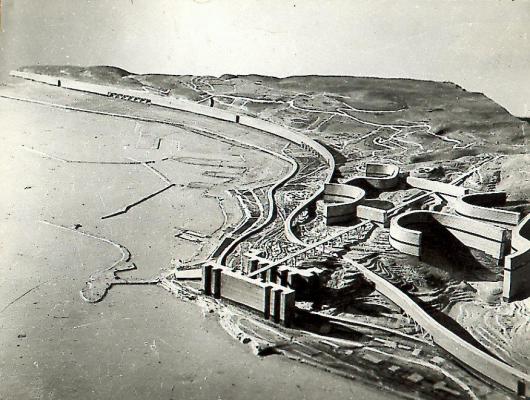
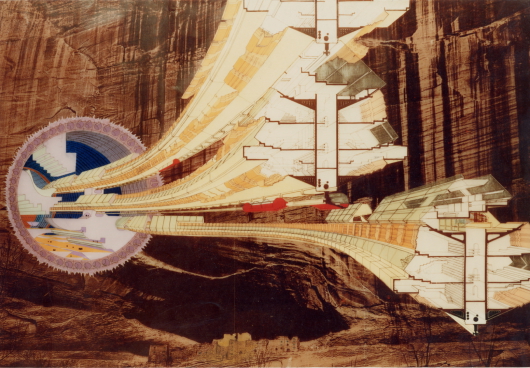
The Vectors on the geographical scale:
"The Snake Habitat", Luigi Pellegrin, 1970
The Vectors on the urban scale:
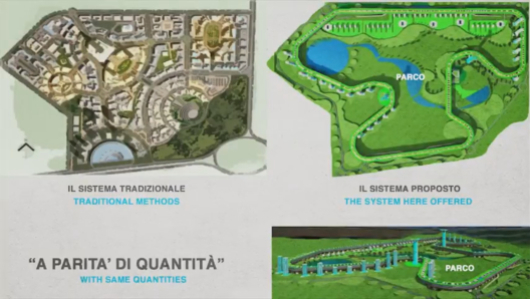
"Sistema Territoriale", Cesare Rocchi, 2016



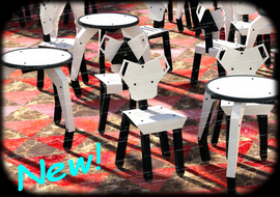
T H E Z E B R A S
CHAIRS & TABLES BY POLYCARBONATE
& ALUMINIUM TUBES




 Stampa